Understanding Stress and Anxiety
Defining Stress and Anxiety
Stress and anxiety, while often used interchangeably, represent different psychological states. Stress is a response to an external trigger, such as a challenging task, while anxiety is a more pervasive reaction that can occur even in the absence of a stressor. Stress and anxiety can intertwine, leading to complex emotional and physical symptoms that can hinder daily functioning.
Common Causes of Stress and Anxiety
The origins of stress and anxiety are varied, often arising from both environmental and personal factors. Common causes include:
- Work Pressure: High demands and tight deadlines can create a stressful environment.
- Financial Constraints: Money problems can induce significant stress and anxiety.
- Personal Relationships: Conflicts and expectations in relationships can lead to emotional turmoil.
- Health Concerns: Chronic illnesses or health worries can contribute to feelings of anxiety.
- Life Transitions: Events like divorce, job loss, or moving can provoke stress.
Impact on Daily Life
The effects of stress and anxiety permeate every aspect of life. They can impact physical health, manifesting as insomnia, headaches, or digestive issues. Mentally, they can cause chronic worry, irritability, and a decreased ability to concentrate. Additionally, relationships may suffer as the symptoms interfere with communication and emotional openness.
Recognizing Symptoms
Physical Symptoms of Stress and Anxiety
Physical symptoms often signal the presence of stress and anxiety. These include:
- Increased heart rate
- Muscle tension, particularly in the neck and shoulders
- Fatigue and exhaustion
- Sleep disturbances, like insomnia or oversleeping
- Changes in appetite, leading to weight loss or gain
Mental Symptoms of Stress and Anxiety
Mentally, stress and anxiety can lead to:
- Persistent feelings of worry or fear
- Difficulty concentrating or making decisions
- Feelings of helplessness or hopelessness
- Increased sensitivity to daily stressors
Behavioral Signs to Watch For
Behaviorally, individuals may exhibit signs like:
- Withdrawal from social interactions
- Procrastination or avoidance of important tasks
- Increased reliance on substances like alcohol or caffeine
- Changes in performance, particularly in work or academic settings
Effective Coping Strategies
Mindfulness and Relaxation Techniques
Mindfulness involves being present in the moment, which can significantly alleviate stress and anxiety. Techniques include:
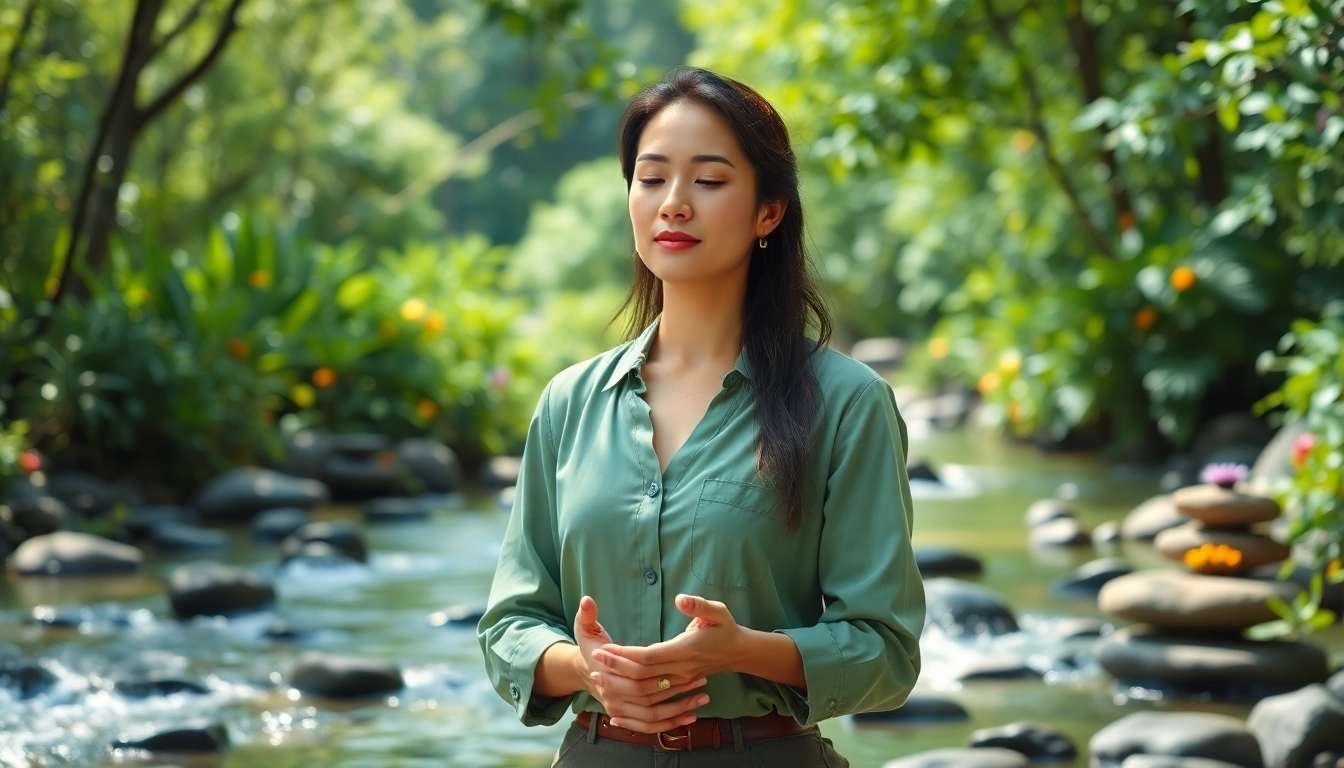
- Meditation: Regular meditation can reduce symptoms of anxiety and promote a sense of calm.
- Deep Breathing: Simple deep breathing exercises can slow the heart rate and induce relaxation.
- Progressive Muscle Relaxation: Tensing and relaxing muscle groups can release physical tension.
Exercise and Physical Activity
Engaging in regular physical activity is one of the most effective ways to reduce stress and anxiety. Exercise releases endorphins, which improve mood. Activities such as:
- Running or Jogging: Cardio can help clear the mind and elevate mood.
- Yoga: Combines physical movement with mental focus and breathing techniques.
- Walking in Nature: Exposure to green spaces has been linked to lower stress levels.
Nourishing Your Body for Mental Health
A well-balanced diet can also play a critical role in managing stress and anxiety. Foods that support mental health include:
- Omega-3 Fatty Acids: Found in fish, these can enhance brain function and mood stability.
- Whole Grains: Help regulate blood sugar and mood through steady energy release.
- Antioxidant-Rich Foods: Fruits and vegetables help combat oxidative stress in the brain.
Seeking Professional Help
When to Consult a Professional
Recognizing the need for professional help is vital. Signs that suggest it may be time to seek assistance include:
- Persistent or worsening symptoms despite self-help efforts.
- Interference with daily functions like work, school, or relationships.
- Feelings of being overwhelmed without any clear cause.
Types of Therapy for Stress and Anxiety
Several types of therapy can effectively address stress and anxiety, including:
- Cognitive Behavioral Therapy (CBT): Helps change negative thought patterns.
- Exposure Therapy: Gradually approaches feared situations to reduce anxiety.
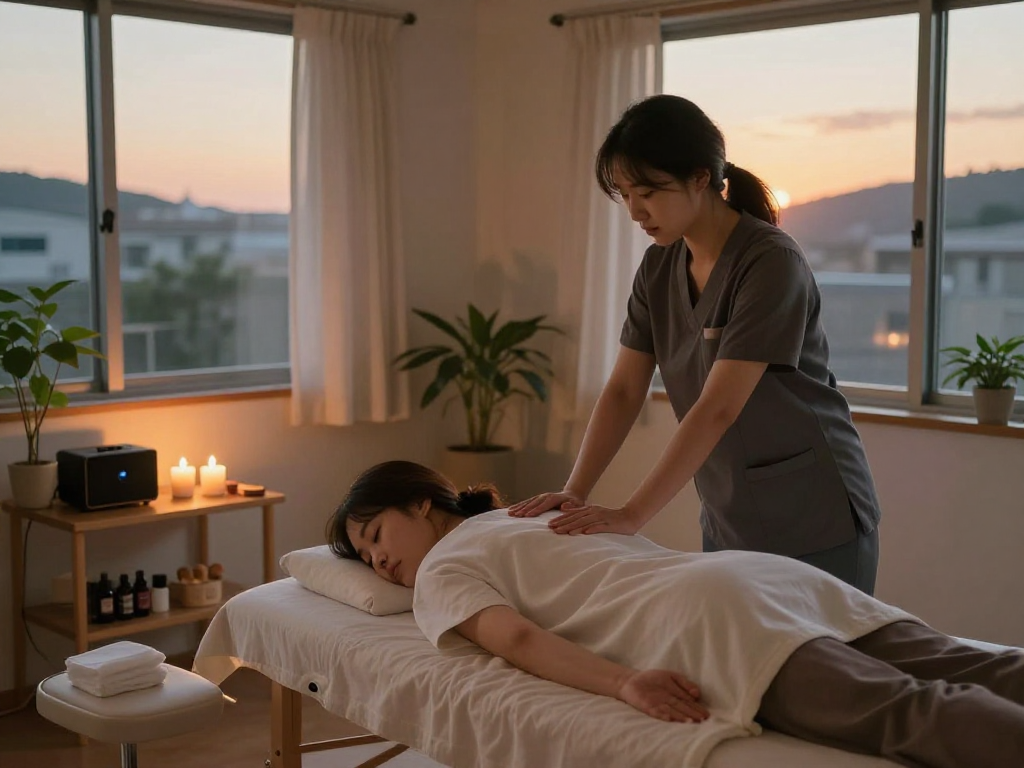
- Holistic Therapies: Incorporates mind-body approaches like meditation and yoga.
Benefits of Group Therapy
Group therapy offers a unique setting where individuals can share experiences. Benefits include:
- Feeling less isolated in your struggles
- Learning from others' coping strategies
- Gaining diverse perspectives on common problems
Creating a Supportive Environment
Building a Support Network
A strong support network is vital for managing stress and anxiety. This can include:
- Friends and Family: Open channels of communication can foster understanding and support.
- Support Groups: These can provide a sense of belonging and shared experiences.
- Community Resources: Engaging with local organizations can help with support and activities.
Establishing Healthy Routines
Creating structured daily routines can help anchor your day. Healthy routines might involve:
- Setting regular sleeping and waking times.
- Allocating time for exercise and relaxation.
- Designating time for hobbies or interests that bring joy.
Utilizing Digital Resources Wisely
In the digital age, online resources can be a double-edged sword. Tips include:
- Utilizing apps for mindfulness and meditation.
- Joining online forums for support and guidance.
- Limiting exposure to negative or overwhelming content on social media.
Frequently Asked Questions
What are the main differences between stress and anxiety?
Stress is typically a response to a specific external trigger, while anxiety is broader and can persist even without an identifiable cause. Both can affect mental and physical health.
How can I identify if I am experiencing stress or anxiety?
Common indicators include physical symptoms (headaches, fatigue), emotional changes (irritability, worry), and changes in behavior (withdrawal, procrastination). Observe if these worsen over time.
What are some quick techniques to alleviate stress?
Quick techniques include deep breathing exercises, taking short walks, or practicing mindfulness for a few minutes to refocus your mind and reduce immediate tension.
When should I seek professional help for stress or anxiety?
If symptoms persist, worsen, or significantly disrupt your daily life, it’s essential to consult a healthcare professional for appropriate support or therapy options.
Can lifestyle changes affect stress and anxiety levels?
Yes, lifestyle changes such as regular exercise, healthy eating, a structured routine, and effective sleep habits can significantly reduce both stress and anxiety levels.